
Harvesting Wisdom: Squeeze the Best Out of Citrus Season
Every season, produce managers and shoppers look forward to the arrival of quintessential fruits. Summer has stone fruits and melons, and eaters know fall has arrived by the steady stream of apples and pears. When harvest slows down in the Northwest, we look forward to winter's wide array of citrus from California and beyond, carrying us all the way into spring.
SEASONS IN A SEASON
Staple citrus, like the classic lemons and limes, is now available year-round, with fruit grown in Mexico and the southern climates delivering varieties that were considered seasonal just 20 years ago all twelve months of the year. Still, winter is prime time for citrus variety, just in time for when shoppers are looking for something sweet, juicy and brimming with vitamins during the dark, cold days of winter. Think of citrus season as having three distinct phases:
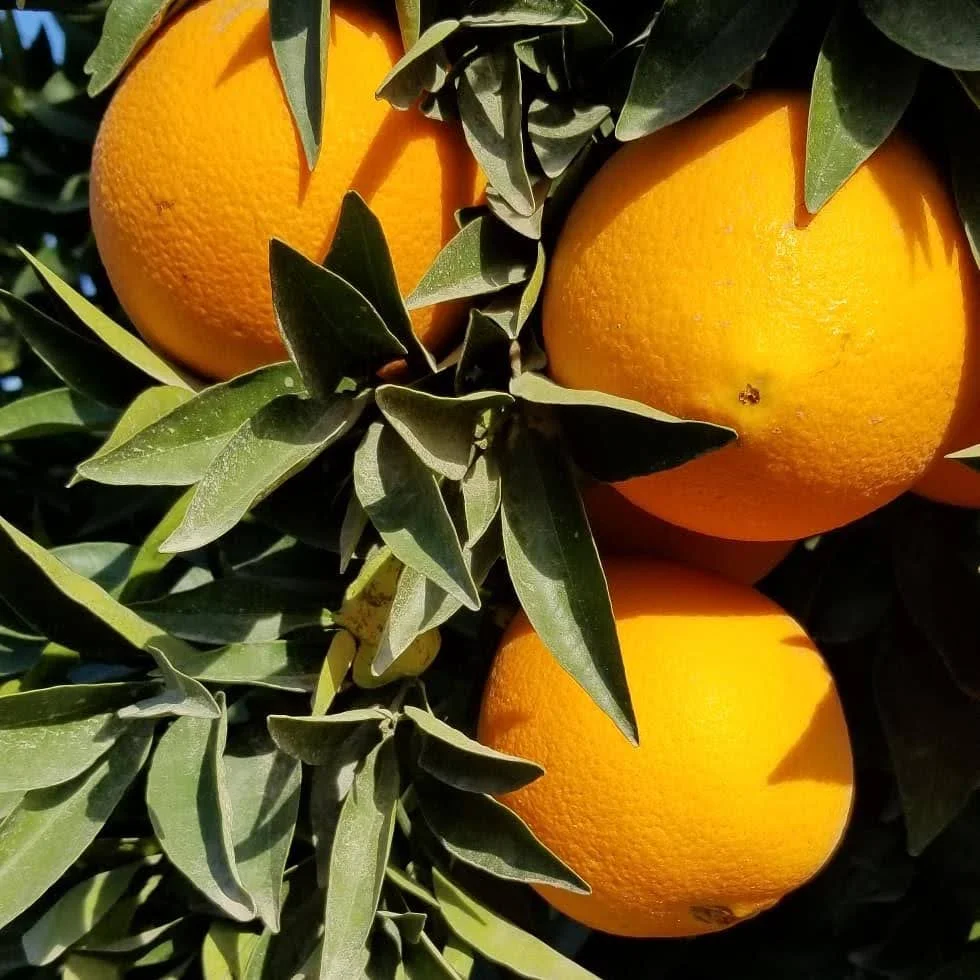
Early: Citrus starts around November 1st with Satsuma mandarins, early varieties of Clementine mandarins and Navel oranges. Every week into November, the quality gets better and better, and new varieties come in stock. Apples and fall feast favorites dominate merchandising space, but a range of first-of-the-season specialty citrus is always a great thing.
Peak: From December until mid-February, some of the best eating varieties and the most irresistible selection arrive: Heirloom Navel oranges, full-colored Cara Cara Navels, a wide range of kumquats, the brightness of mid-season mandarins, beautifully colored Meyer lemons and an array of grapefruits that only get sweeter and sweeter. As the availability of apples and pears winds down, citrus has room to spread out and show off.
Late: Selection begins to dwindle by mid-February, with growers focusing more and more on late-season varieties that will carry harvest into April. Navel, Cara Cara and Blood oranges are still readily available, but Page and Satsuma mandarins are replaced with Murcott, Gold Nugget and Pixie. Sometimes, eaters catch a case of citrus fatigue and the end of the season feels like a bit of a challenge. But late season varieties have some of the best flavor of all, so it’s a great time to get creative, keep displays looking fresh and finish the season strong.
VARIETY IS THE ZEST OF LIFE
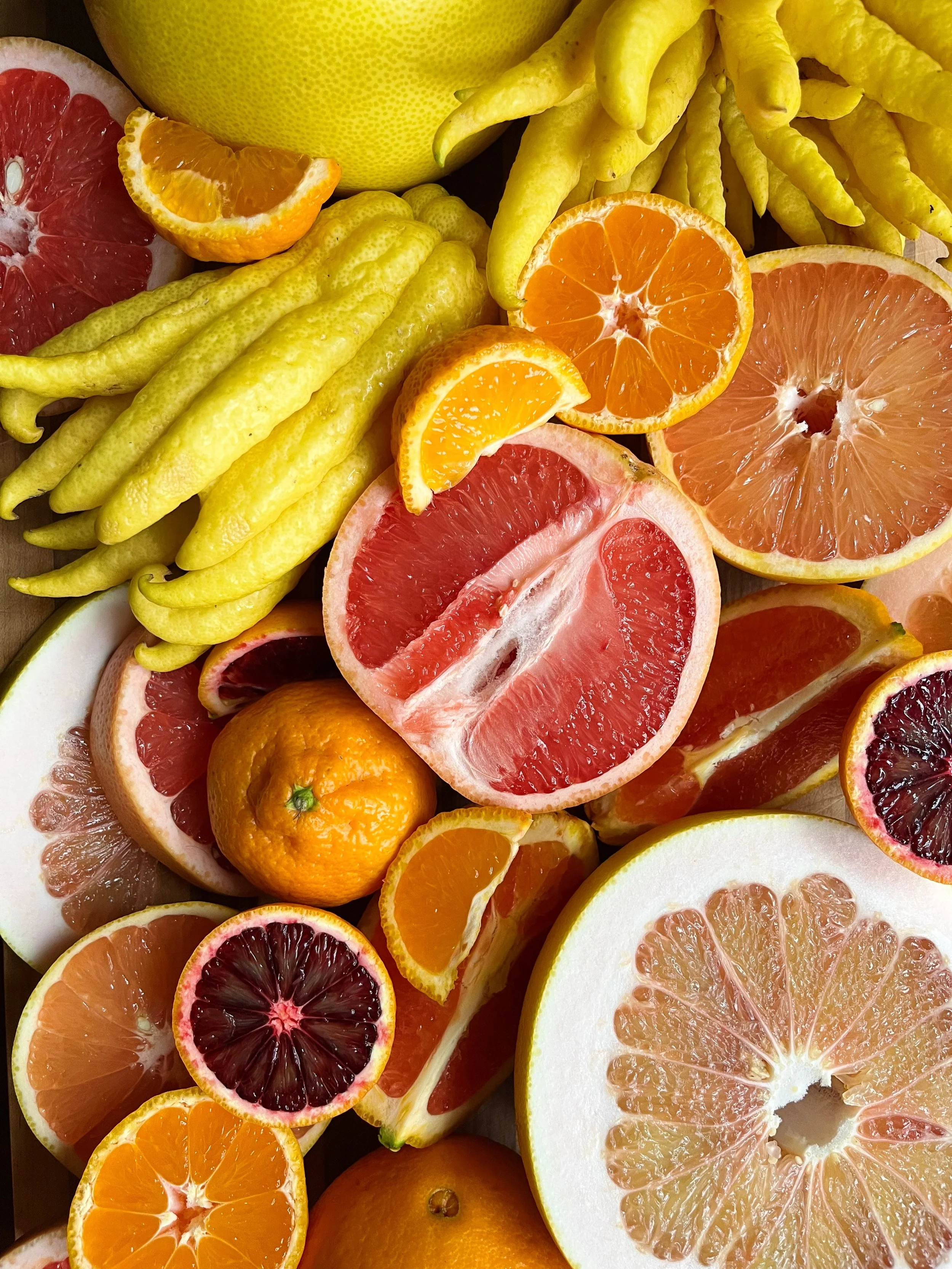
For the most part, citrus fruits fall into a few different categories based on how they’re used. Some varieties are grown mainly for juicing, like Valencia oranges. Others do their best in composed dishes or cocktails – think Finger limes and T’Orange citron. Some are for cooking, like Marmalade orange and Makrut limes. The vast majority, though, have been developed for day-to-day snacking. Not matter how eaters plan to use them, one thing is true: citrus is healthy, refreshing, versatile and in most cases, affordable.
Each of these types of citrus needs a different approach depending on how much they can boost sales and get shoppers excited. Tart essentials like lemons and limes tend to be consistent movers, but sales typically don’t increase much with lower pricing, offering a chance to set a price and make up margin. Fresh eaters like oranges and mandarins will drive tonnage and dollars with the right merchandising plan and selection. Keep it interesting by switching up what is in the spotlight: try featuring a large display of Heirloom Navel oranges one week and Cara Cara another. Mandarins should be on sale at least half the time while they are in season. Choose which varieties to promote based on what is peaking, while keeping in mind that shoppers love fruit that is seedless and easy to peel. A huge percentage of this fruit is going to be eaten in cars or packed into lunch boxes, and the varieties that are easiest to eat are proven winners.
While not all types of citrus are big sales drivers, they still contribute to sales and have the added benefit of delighting shoppers. Even though grapefruit’s popularity has plummeted over the last few decades, and it’s now more of a curiosity than a breakfast staple, you can use this to your advantage by showing off unique varieties like Oroblanco or Melogold. Varieties like Buddha’s Hand or Calamondin can get conversations started between staff and customers, making room for more connections in the future. If you’re looking to boost sales, use signage like recipe cards or OGC’s Point of Purchase (or POP) to tell shoppers how to use Meyer lemons, Makrut limes and more. All the different sizes, shapes and colors of citrus in a dynamic display can generate lots of enthusiasm, but when you’re wondering what to put on promotion, choose the varieties that are really going to sell.
KEEP IT FRESH
There are several strategies to get your customers excited about the citrus selection, and to keep the citrus love going throughout the season.
Staff Engagement: Whether it be sharing enthusiasm on the floor, sampling or using POP materials, staff recommendations get your customers curious to explore.
Sampling: Doing tastings of all the mandarins, grapefruits, oranges and even tart classics like lemons, limes and kumquats is a great way to bring customers into the department and generate sales. Concentrate on what’s peaking to show customers how cool and different the varieties are.
Merchandising: Be sure to highlight favorites with the space you give them and where you put them. Go big with what is eating the best at a fair value and show off specialty varieties in small baskets.
Keep It Moving: Rotate varieties as they hit their peak to keep things current. You should be excited about what you are selling, and keeping the display at its tastiest keeps your department fresh and dynamic.
THE MORE THE MERRIER (MOSTLY)
In the early season, buy whatever you can get as it becomes available. And as soon as the ball drops for the New Year, go even bigger! Bring in three kinds of kumquats, four varieties of oranges, five different mandarins, three or four different grapefruit, or more. The sky (or, okay, table space) is the limit. Be sure to keep an eye on movement and swap out a variety if sales drop off after a week or two. If you don’t have to restock displays every other day or find dried out fruit, it's time to give extra space to the winners and cut what isn’t working.
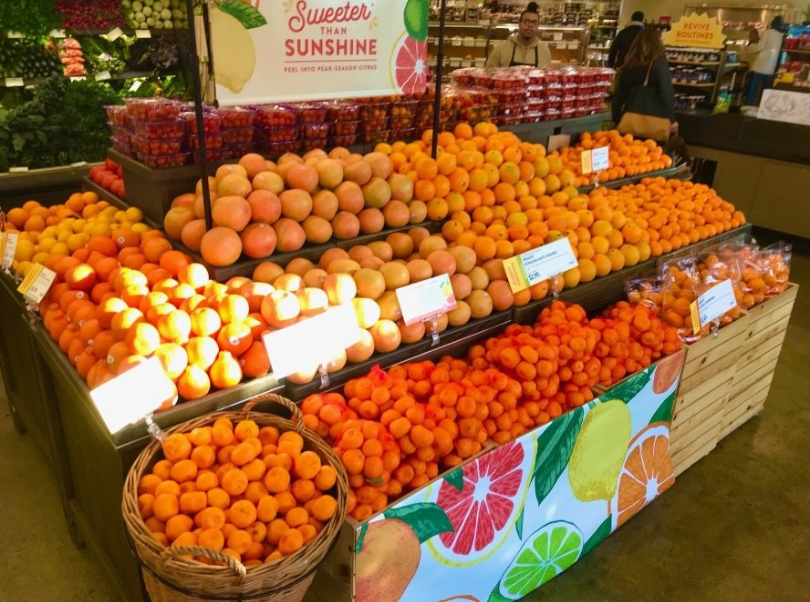
Having a wide selection is important, but more isn’t always more. Finding the right mix for your shoppers, space and store is more of an art than a science. Some folks might be happy exploring all the different mandarins, but others can be overwhelmed by the options. Shoppers who don’t know where to look or aren’t in the mood to experiment may wander back over to the apples and grab what they know.
Make it easy for them to find what they are looking for. There’s no golden rule for merchandising, but keep in mind that the varieties you give the biggest space and best location will tell customers what to buy. Be sure that what goes in the choice display spots is the best you have to offer for flavor, price or both to create repeat customers.
GETTING THE BAG
Generating strong sales during citrus season is more challenging than in summer, when fruit prices are higher. Customers are more willing to buy a $5 basket of berries or $7.99 pound of cherries, but most citrus retails for around $3 a pound – or even less. Plus, citrus keeps. Customers don’t need to come back every week to buy more. The major chains have simplified the category by moving to mostly offering bags, like the famous “Cuties.” Rarely do they offer varietal information – as long as the fruit is easy to peel, seedless, and at least kind of flavorful, they don’t care if it’s a Clementine, Page or Murcott. So, what can we learn from their example and what can we do better?
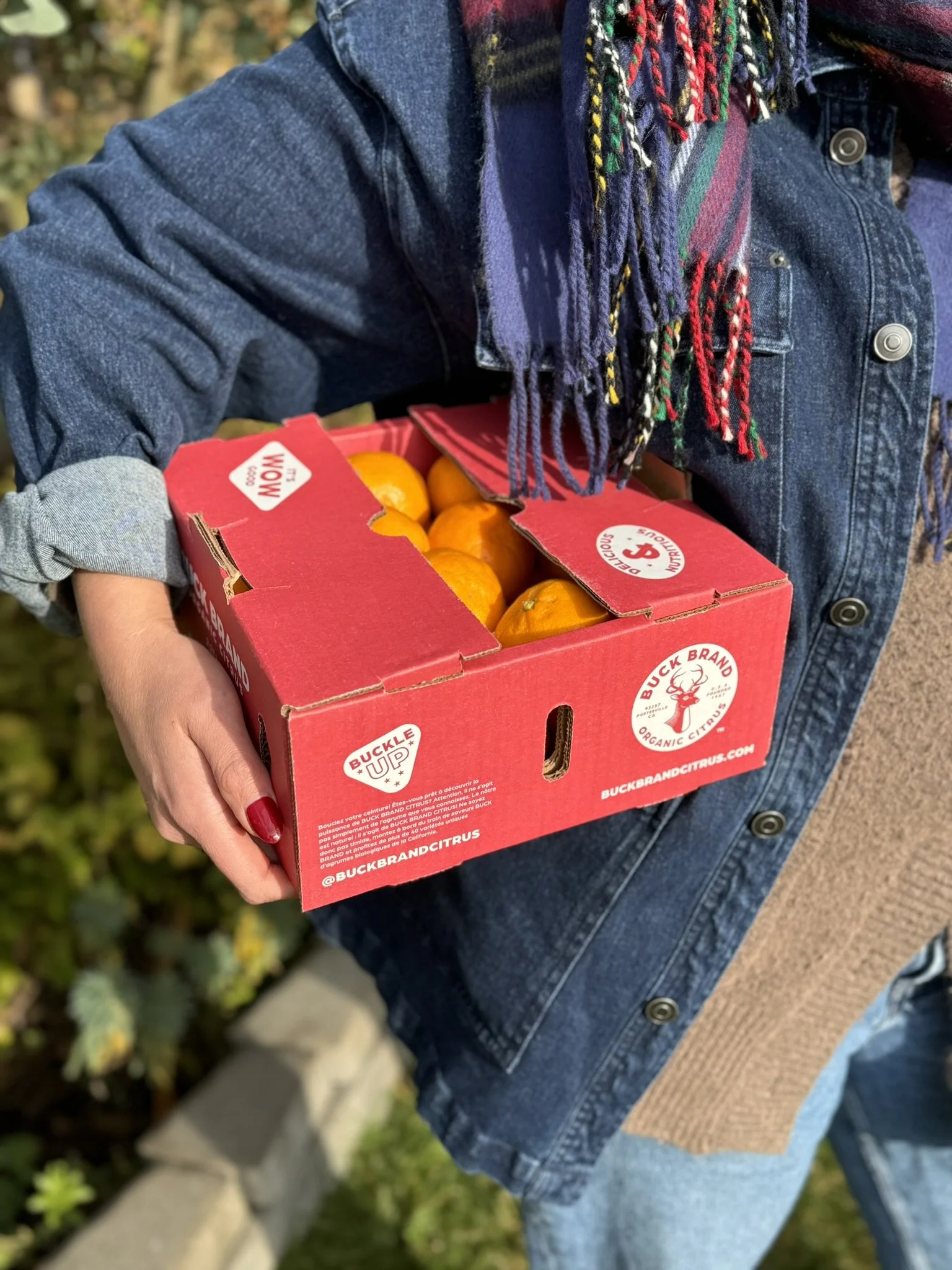
The truth is that having a bag option helps sales, and it’s pretty easy to experiment with a small paper tote labeled with the variety. Customers are encouraged to buy more with bagged options, giving you a bigger ring per item. If you have the right item in the bag, more fruit means eaters eat more of it – which turns into more frequent purchases and department sales. 5 lb. gift boxes of satsumas remain popular, and retailers can find additional sales success by selling smaller 2 or 3 lb. bagged options for grab-and-go.
Paper bags or totes are also a great way to move varieties that are selling slowly by offering a larger volume at a discount. They also work to highlight a particular variety like Kishu mandarin or Tarocco Blood orange. The packaging creates a space to put information about traits, flavors and uses, and a different look. You can even try offering both bulk and smaller tote bags of the same variety. Some customers just want to grab and go, and why not sell them three pounds of Navel oranges instead of watching them skip the purchase because they don’t immediately see what they’re looking for?
MAKE LEMONADE
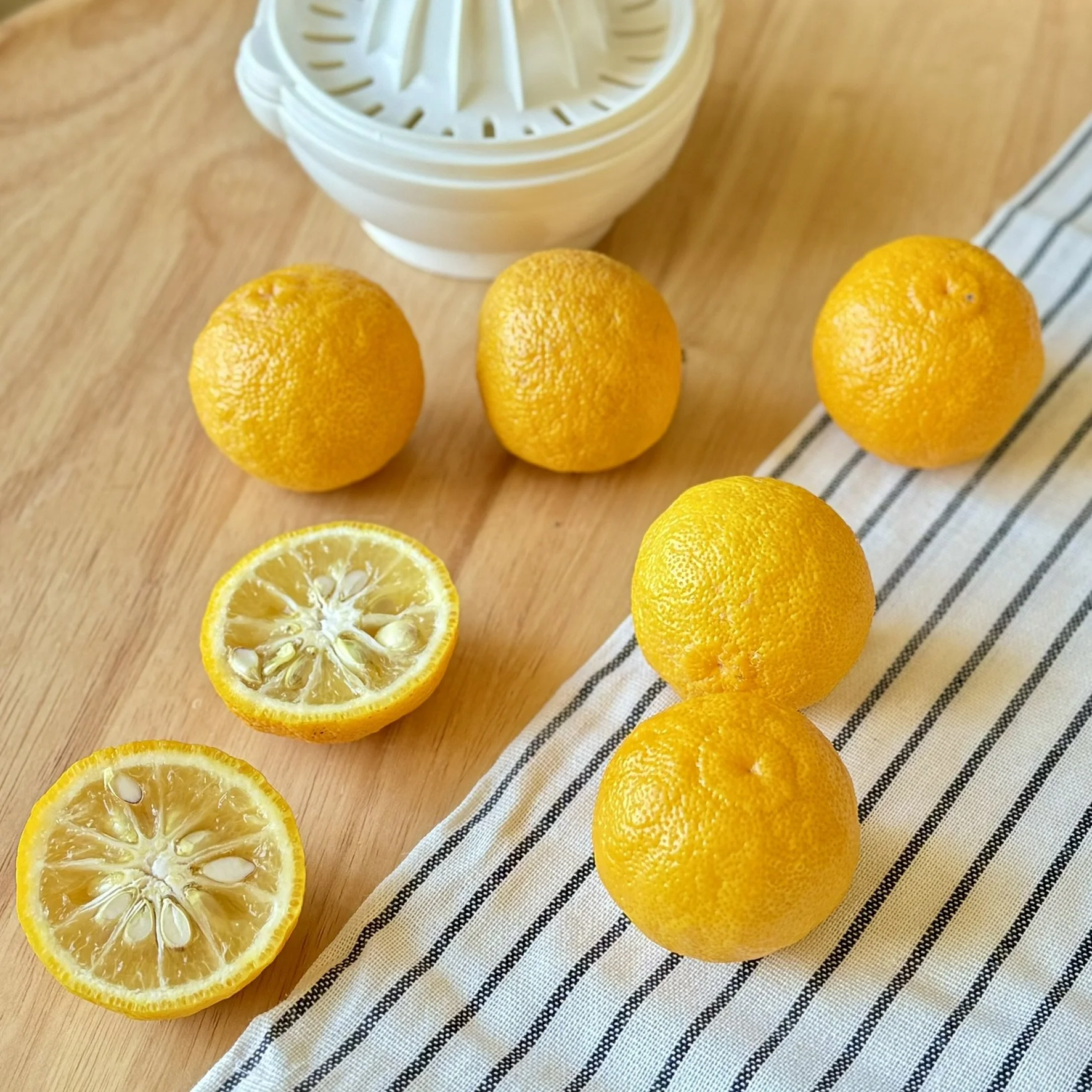
On that calendar of quintessential fruit, citrus season is uniquely special. Citrus is eaten fresh, juiced, cooked with and used in tasty baked goods. Some varieties are only around for a few weeks, which can be a thrill – but also means eaters might have to relearn which fruits are their favorites. An approach that works for apples or peaches might not be best for oranges, kumquats and mandarins.
While citrus season brings some challenges, the juice is worth the squeeze. With a little time, attention and care, the wide world of citrus fruits is bound to bring excitement and sales to your department.